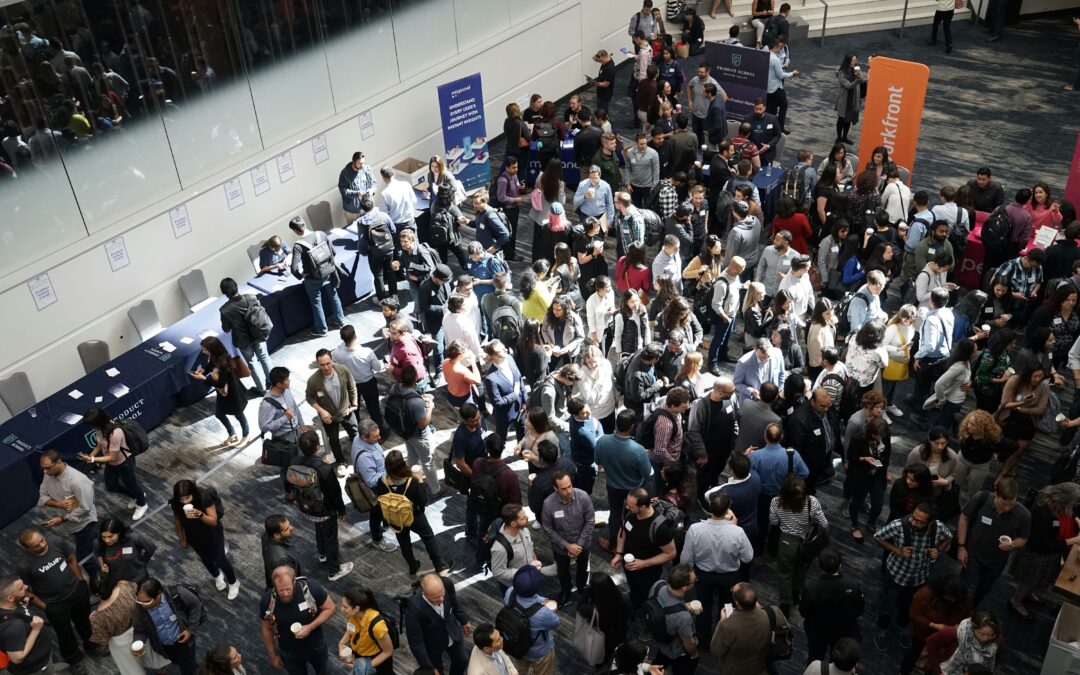
The exhibit hall doors open, and attendees spill into the aisles, sizing up each booth in seconds. One looks polished, cohesive, and ready to do business. Another booth’s trade show samples feel unfinished, as if the final pieces arrived at the last minute, or never arrived at all.
According to Sampco associate sales leader Frank Knight, that contrast begins with decisions made months before the show.
Now is the time to decide what will represent your brand when the doors open and what trade show samples you need to order. Starting early gives you time to incorporate new marketing initiatives, colors, and product updates instead of scrambling to pull everything together at the last minute.
What Does Your Booth Need to Do?
Before deciding how many samples to order, manufacturers should define what their booth needs to accomplish. For some, that means creating a clean, understated space that invites focused, one-on-one conversations. Others need an attention-grabbing mix of sample boards, product displays, and printed materials that quickly conveys a collection’s range.
In every case, the audience should shape the experience.
“It comes down to tailoring your investment in samples and sales materials to who will be at the show,” says Knight. “An architecture-focused event may call for polished sales kits or folders, while distributors may need wholesale sample boards. The key is matching the materials to the audience. Many of our customers build those audience-specific options into their sample programs.”
When marketing managers, product managers, sales leaders, and channel teams align on the booth’s purpose early, every element can serve that shared objective. Samples, displays, and sales materials stop feeling like separate pieces and begin working together to create a cohesive, audience-focused experience.
Let Visitors Experience the Product
Building products are meant to be touched. Visitors want to feel the surfaces, compare finishes, and see how colors and textures respond to changing light. Photography can suggest those qualities, but it cannot recreate the experience of holding the product.
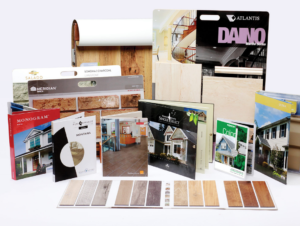
“Print has come a long way, and while it’s still valuable, having the actual product on display tends to make the strongest impression,” says Knight.
Hands-on experiences can take many forms, including cut samples, color chips, sample boards, presentation folders, sales kits, and displays showing how a material is cut, used, or installed. A visitor evaluating a finish may need only a small cut piece, while someone comparing several colors or options may benefit from a complete sample board.
These materials draw visitors into the booth and give sales representatives an easy opening for conversation.
Give Trade Show Sample Displays the Time They Need
Trade show displays rarely come together overnight. From measurements and design approvals to product selection, assembly, and delivery, each stage depends on the last.
Knight recommends ordering displays months in advance, depending on their complexity. Order individual samples at least several weeks before the event, especially when they include recently introduced materials or colors. A late start threatens more than the delivery schedule; it can compromise how the brand appears on the show floor.
“The downside is pretty straightforward: you don’t end up presenting your samples, products, and marketing the way you wanted to,” Knight says.
Visitors may not be able to name what’s missing, but they notice when a booth feels unfinished. Outdated samples, mismatched materials, or makeshift displays can quickly erode trust and the polished image a manufacturer wants to project.
Prepare for the Unexpected
Even careful trade show planning comes with moving targets. Manufacturers may still be finalizing colors, approving marketing materials, or preparing products expected to launch by the show but not yet ready for production. Starting early creates the breathing room needed to adjust without compromising the presentation.
“Sometimes customers are still finalizing colors right up to launch day, and products expected to be ready may not be. When delays happen, we can retrofit displays with printed labels or create ‘coming soon’ pieces. But the bottom line is that planning well in advance gives us the best chance to deliver what manufacturers need on time.”
Trade show preparation also provides a valuable opportunity to review whether existing displays still accurately reflect the product line. Knight recommends giving booth space to products customers can buy now and to new introductions, rather than drawing attention to discontinued offerings.
Turn Booth Visits into Follow-Up Conversations
A sample can continue working long after an attendee leaves the booth. Badge scans and business cards capture contact information, but meaningful follow-up begins with noting which products, colors, applications, or sample formats caught each visitor’s attention.
“A lot of it starts with booth scanning when people come in,” Knight explains.
Those details can guide the next interaction. A visitor drawn to a particular finish might receive a physical sample or collection folder, while a contractor exploring an application could receive relevant literature. An architect comparing options may benefit from a complete sample board.
Knight emphasizes remembering what each visitor liked and considered, so the follow-up feels specific rather than generic. “Recognize it, then make sure you follow through.” That personal connection turns a routine sales message into a continuation of the conversation that began in the booth.
Read 3 Post Trade Show Tips to discover more ways to continue audience engagement after the show.
Start the Conversation Now
Sampco helps building product manufacturers treat samples, merchandising displays, swatch books, and sales tools as a connected sales strategy rather than last-minute trade show accessories. Starting early gives Sampco and its Pak-It Displays team time to understand the audience, coordinate production, prepare for delays, and create materials that work beyond the event.
With thoughtful planning, samples and displays can attract the right visitors, showcase products at their best, and turn a brief interaction on the exhibit floor into a lasting customer relationship.
As Knight puts it, “The earlier you start that conversation, the better.”
Preparing for an upcoming trade show? Contact Sampco today to start planning samples, displays, and sales tools that showcase your products and keep conversations going long after the event.